
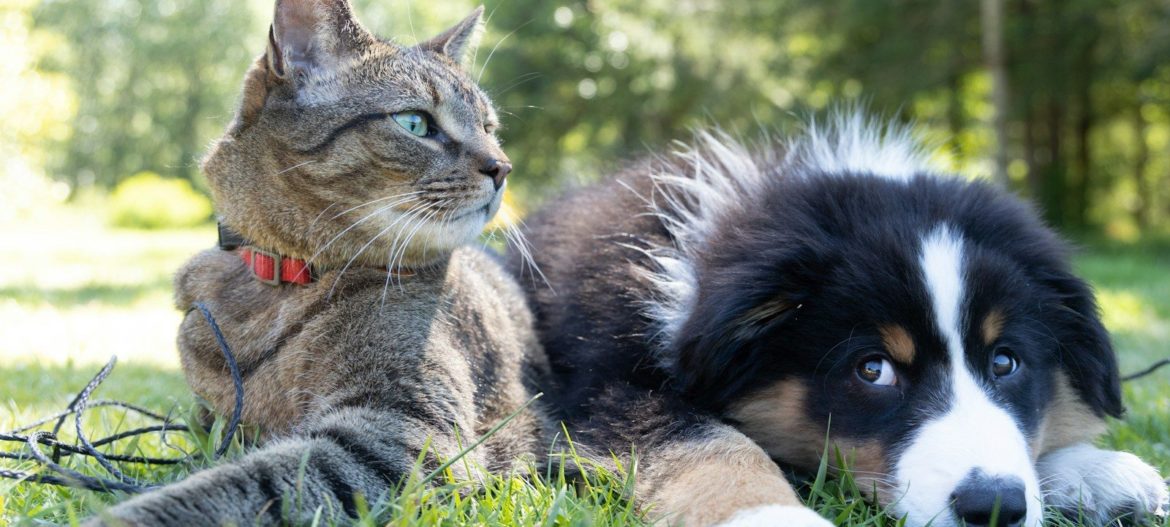
Moving house can be a big change for everyone in the family, including your pets. New surroundings, unfamiliar smells, lots of boxes and the activity of moving day can all be unsettling for animals.
With a little forward planning, you can help make the transition calmer and safer for your pets. Whether you're moving locally in Bourne, Stamford, Spalding or Peterborough, or relocating further afield, these tips can help you prepare your pet before, during and after the move.
1. Start Planning Early
The earlier you prepare your pet, the more relaxed moving day is likely to be.
Check Their Identification
Before moving, make sure your pet's identification details are up to date.
- Check that ID tags show your current contact number.
- Update your pet's microchip details with your new address once appropriate.
- Keep a recent photograph of your pet in case they become lost during the move.
Arrange a Vet Check
If your pet is due a check-up, consider arranging one before moving.
You may also want to:
- Request copies of vaccination records.
- Make sure you have enough medication for the move.
- Obtain copies of prescriptions where necessary.
- Speak to your vet if your pet experiences travel sickness or anxiety.
Your vet can advise you on appropriate options for your individual pet.
2. Create a Pet Moving Kit
Pack a separate bag or box containing everything your pet will need during the journey and immediately after arriving.
Include:
- Food and water bowls
- Several days' supply of their usual food
- Drinking water
- Any medication
- Lead, harness or secure carrier
- Favourite toys
- Familiar blankets or bedding
- Waste bags or litter supplies
Keeping familiar items with your pet can provide reassurance when everything else around them is changing.
3. Keep Their Routine as Normal as Possible
Pets can pick up on changes in their environment and your behaviour, so try to maintain their normal routine in the run-up to moving day.
Continue with regular:
- Feeding times
- Walks
- Playtime
- Bedtimes
Introduce packing boxes gradually rather than suddenly filling the entire house with them. If your pet uses a carrier, leave it somewhere accessible so they can investigate it at their own pace.
If your pet is particularly anxious, speak to your vet before using any calming products or treatments.
4. Keep Pets Safe on Moving Day
Moving day can be busy, noisy and full of unfamiliar people coming in and out of your home. This creates a risk of pets becoming frightened or escaping.
Consider keeping your pet in a quiet, secure room away from the main activity. Put a clear note on the door so everyone knows your pet is inside and the door should remain closed.
Alternatively, you may prefer to arrange boarding or pet care for the day.
When travelling, always make sure your pet is properly secured. Dogs should be appropriately restrained, while cats and smaller animals should travel in suitable secure carriers.
For longer journeys, plan suitable stops and check pet-friendly accommodation in advance if an overnight stay is required.
5. Help Your Pet Settle Into Their New Home
Once you arrive, give your pet time to adjust rather than expecting them to explore the entire property immediately.
Start Small
Consider initially keeping your pet in one quiet room containing familiar bedding, food, water and toys. Once they appear comfortable, gradually allow them to explore the rest of the house.
Re-establish Their Routine
Try to return to their usual feeding, walking and sleeping routine as quickly as possible.
Familiar routines can help reassure pets that, despite the change of home, life is still relatively normal.
Explore Gradually
Dogs should initially be kept on a lead when exploring the new neighbourhood.
Cats require particular care after moving. Keeping them indoors for a suitable period can help them become familiar with their new surroundings before they are allowed outside. If you're unsure how long is appropriate for your cat, speak to your vet.
6. Look Out for Signs of Stress
It's completely normal for some pets to take time to settle after moving. However, keep an eye out for changes in behaviour such as:
- Loss of appetite
- Hiding more than usual
- Aggression or unusual behaviour
- Digestive problems
- Excessive barking, meowing or other vocalisation
If you're concerned about your pet or symptoms continue, contact your veterinarian for advice.
7. Consider Your Pet's Individual Needs
Different animals can respond to moving house in different ways.
Dogs: Keeping walks, feeding and playtime consistent can help them settle. Extra exercise may also help reduce nervous energy.
Cats: Cats can be particularly sensitive to changes in their environment. Familiar bedding, toys and scents can help provide a sense of security.
Rabbits, hamsters and birds: Keep their enclosure secure, stable and at a comfortable temperature during transportation, avoiding excessive noise and draughts.
Fish: Moving fish requires careful preparation. Transport them appropriately and re-establish their aquarium as soon as possible at your new home.
Making Moving Easier for the Whole Family
Your pet depends on you for reassurance and security, particularly when their familiar surroundings suddenly change. By planning ahead, keeping routines consistent and giving them time to adjust, you can help make moving house a much more positive experience.
And while you're taking care of your pets, let the professionals take care of the move.
Lincs Removals provides professional home removals across Bourne, Stamford, Spalding, Peterborough and throughout Lincolnshire. From careful packing and loading to transporting your belongings safely to your new home, the experienced team can help take the stress out of moving day.
Planning your next move? Contact Lincs Removals today for a free, personalised quote.