
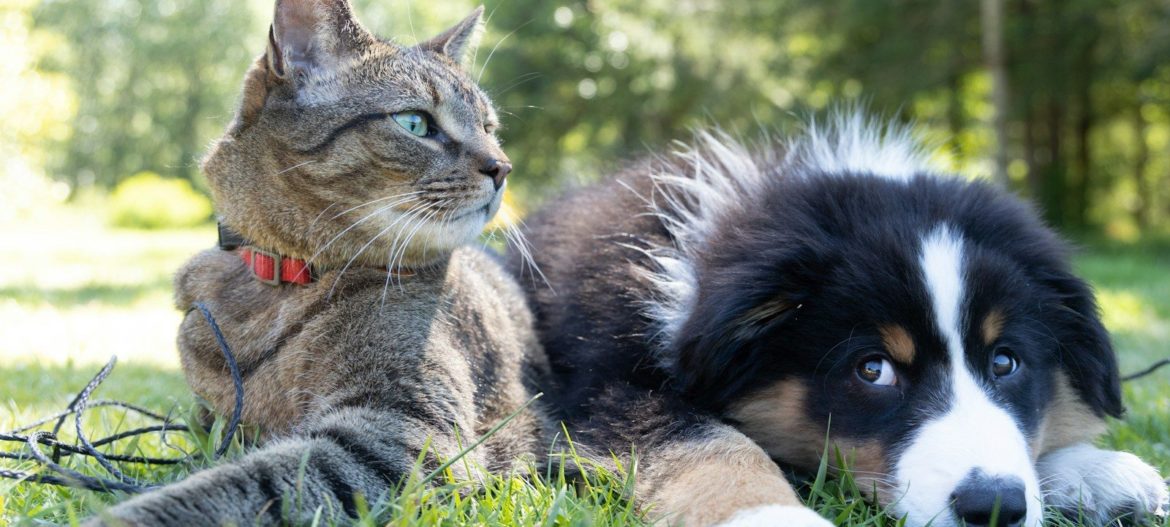
Moving with pets takes extra planning, patience, and care—but with the right approach, it can be a smooth transition for everyone in your household. Whether you’re relocating across town or to a new county, this guide will help you reduce stress and keep your furry (or feathered!) family members safe and comfortable.
1. Plan ahead
Update Identification
- Ensure your pet’s ID tags have your current phone number.
- Update microchip information with your new address.
- Keep recent photos of your pet in case they get lost during the move.
Visit the Veterinarian
- Schedule a health check-up.
- Obtain vaccination records.
- Ask about motion sickness or anxiety solutions if your pet struggles with travel.
- Request copies of prescriptions.
2. Prepare a pet moving kit
Pack a separate bag with essentials:
- Food and water bowls
- 3–5 days of food
- Bottled water
- Medications
- Leash, harness, or carrier
- Favourite toys and blankets
- Waste bags or litter supplies
Having familiar items nearby helps comfort your pet in unfamiliar surroundings.
3. Reduce stress before moving day
- Keep routines consistent (feeding, walks, playtime).
- Introduce moving boxes gradually.
- Leave carriers out so pets can explore them naturally.
- For anxious pets, consider calming sprays or anxiety wraps (consult your vet first).
4. Keep pets safe on moving day
Moving day can be chaotic. To protect your pet:
- Keep them in a quiet, closed room while mover’s work.
- Post a sign on the door alerting movers that pets are inside.
- Alternatively, board your pet for the day.
- Transport pets in secure carriers—never loose in the car.
For long-distance moves, plan pet-friendly stops and accommodations in advance.
5. Help pets adjust to the new home
Start Small
- Confine them to one room at first.
- Gradually introduce other areas of the home.
Re-Establish Routine
- Resume normal feeding and walking schedules immediately.
- Place beds and litter boxes in similar locations as before.
Explore Slowly
- Walk dogs on a leash in the new neighbourhood before allowing off-leash time.
- Keep cats indoors for at least 1–2 weeks to prevent disorientation.
6. Watch for signs of stress
It’s normal for pets to feel unsettled. Monitor for:
- Loss of appetite
- Excessive hiding
- Aggression
- Digestive upset
- Excessive vocalization
If symptoms persist more than a few days, consult a veterinarian.
7. Special considerations by pet type
Dogs:
May adjust quickly if routines stay consistent. Extra walks can help burn nervous energy.
Cats:
Often more sensitive to environmental change. Maintain familiar scents and safe spaces.
Small Animals (rabbits, hamsters, birds):
Keep enclosures stable and temperature-controlled during transport. Avoid drafts.
Fish:
Transport in sealed bags with tank water. Re-establish tanks as soon as possible upon arrival.
Your pet relies on you for security. With thoughtful preparation and patience, moving can become just another shared adventure. Stay calm, maintain structure, and give your pet extra love during the transition.
Ensure a smooth move for you and your pets with Lincs Removals. Book expert help today for a stress-free, safe relocation!